
How Silicon Valley Is Reinventing Itself: Hybrid Work, Specialized VC, and Mixed-Use Real Estate
Silicon Valley is moving through another phase of transformation. Once defined by dense office clusters and a relentless commute culture, the region is evolving into a more flexible innovation ecosystem.
Companies, investors, and talent are recalibrating priorities around hybrid work, infrastructure, and mission-driven startups — and that shift is reshaping what it means to build and scale here.
Workplace design and talent strategy
Hybrid work models remain a central theme. Many companies blend concentrated in-person days for collaboration with remote days for deep work. Office spaces are becoming collaboration hubs rather than rows of desks: think flexible meeting neighborhoods, prototyping labs, and event-ready floors that support recruiting and community engagement. For employers competing for top talent, culture and experience matter more than location alone.
Perks like commuter support, on-site childcare, and stipends for home offices can be decisive.
Venture capital and the startup mix
Venture capital activity is focusing more on specialization and sustainability. Investors are increasingly selective, targeting founders with defensible technology, clear revenue pathways, and capital efficiency. Sectors drawing interest include advanced manufacturing, biotech and life sciences, semiconductor tooling, climate tech, and enterprise software with strong customer traction. For startups, that means sharpening go-to-market strategies, demonstrating measurable progress, and building partnerships with local labs and universities.
Real estate: repurposing and mixed use
Commercial real estate is adapting. Empty floors are being repurposed into mixed-use developments that combine workspace, labs, housing, and retail. Zoning adjustments and public-private partnerships are enabling more adaptive reuse of buildings, which can help reduce commute times and support live-work neighborhoods. For smaller companies, co-working with specialty lab access or maker spaces can provide critical infrastructure without heavy upfront capex.
Talent, diversity, and local pipelines
Talent remains the engine of the Valley, but recruitment strategies are broader. Companies are investing in apprenticeship programs, community college partnerships, and upskilling to tap local talent pools and increase diversity. Diversity initiatives that move beyond hiring into mentorship, equitable compensation, and growth pathways are more likely to retain underrepresented employees and strengthen company performance.
Sustainability and infrastructure priorities
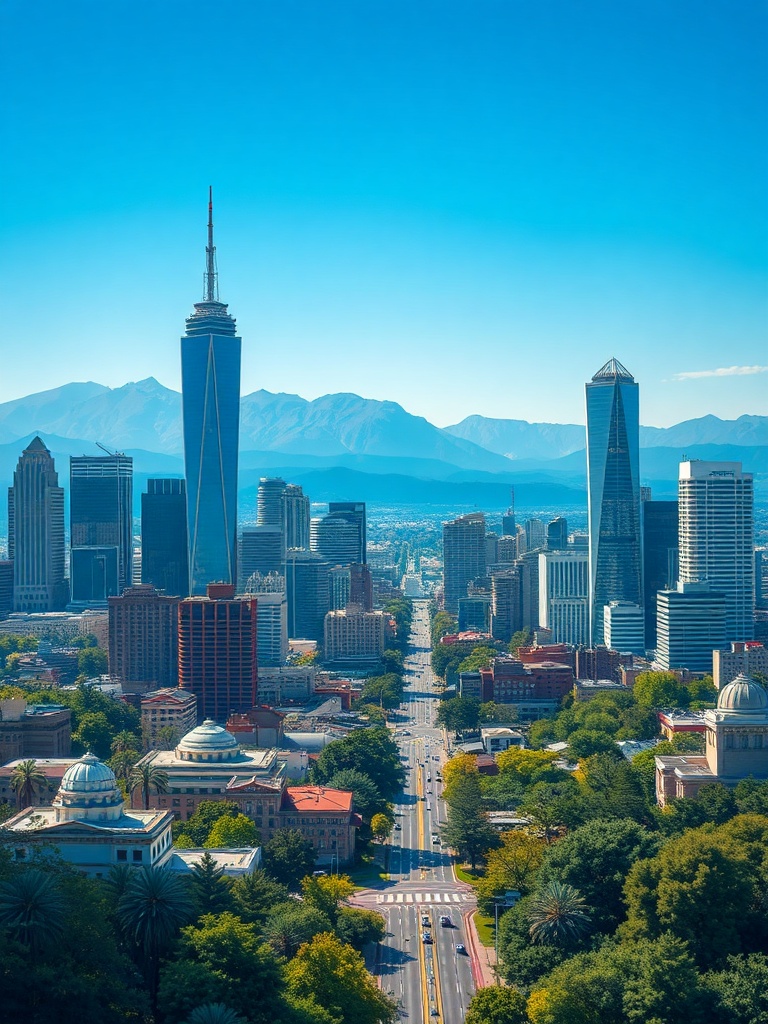
Sustainability is increasingly baked into real estate and operations. Green building certifications, energy resiliency, and electrification projects are common priorities for both public and private developments. Transportation investments that prioritize reliable transit, bike lanes, and micro-mobility help reduce congestion and improve access to jobs. Electrification of fleets and on-site renewable energy generation are practical moves for companies aiming to reduce carbon footprint while controlling operating costs.
Opportunities for founders and job seekers
Founders should focus on capital efficiency, customer validation, and forging strategic relationships with universities and local industry partners. Demonstrating early recurring revenue or clear enterprise adoption signals resilience to investors. Job seekers can stand out by showing cross-functional skills, remote collaboration experience, and a track record of delivering measurable outcomes.
Local networking remains powerful: meetups, demo days, and community labs often lead to early opportunities that aren’t visible on job boards.
Silicon Valley’s identity is not fixed; it is being reshaped by how companies choose to work, where investment flows, and which industries gain momentum. Those who adapt — by prioritizing meaningful culture, efficient growth, and sustainable practices — are best positioned to thrive as the region reinvents itself.
